The plumbing system inside your home delivers cold and hot water, flushes waste and removes water. It's an essential system that requires some care to keep it working properly.
Leaks are a major cause of water loss and could raise your costs. It is essential to know how to locate and fix leaks quickly to save money.
Drainage
The plumbing system is common and essential that we often overlook it until there is a problem. Fortunately, a lot of problems can be avoided by regular maintenance.
The first step is to conduct a visual inspection of fixtures and pipes. It will verify that everything is in order and allow you to spot any issues in the early stages, such as leaks or water spots.This allows you to identify any damage caused by weather or insects.The third step is to keep drains free of debris. This helps prevent clogs and keeps water flowing efficiently. It's possible to accomplish this by not pouring food scraps in the sink and using a filter or strainer in sinks or showers. In addition, a regular stream of hot water through the drain will eliminate soap scum as well as other particles.
Also, do not flush anything down the toilet except human waste as well as toilet paper. Food waste, hair grease and wipes are all solids that could clog your drains. Also, adding pipe insulation in cold locations will prevent frozen pipes and shorten the wait for hot water.Water Heater
Making sure hot water is flowing and removing waste from your home's plumbing system requires constant attention to spot small issues before they turn into major expensive repairs. The majority of plumbing issues are caused by neglect and only come to light when it is too late. The good news is that most of these issues can be avoided by following the use of a few preventative maintenance strategies.You should be able to open and close the shutoff valves. It is recommended to flush your water heater each month at least to eliminate any sediment that may reduce the effectiveness and reduce its lifespan.
Another important point is to check exposed pipes for cracks regularly as well as leakage, brittleness and cracks. Be sure to look for puddles in the sinks. You can test the pressure relief by raising the lever, allowing water to drain out before snapping it back in place. Also, check your water gauge for unusual activity. If you find a leak, turn off your water at the main valve, and then use the hair dryer or heat gun to clear drains bathroom slowly thaw the pipe that has frozen.Faucets
Plumbing is a common feature within a house until it breaks down. But, it is necessary to detect minor issues before they becomeLarger problems that need costly repairs. This is also a chance to save water and energy. A single drip every minute could waste 34 gallons of drinking water in one year.
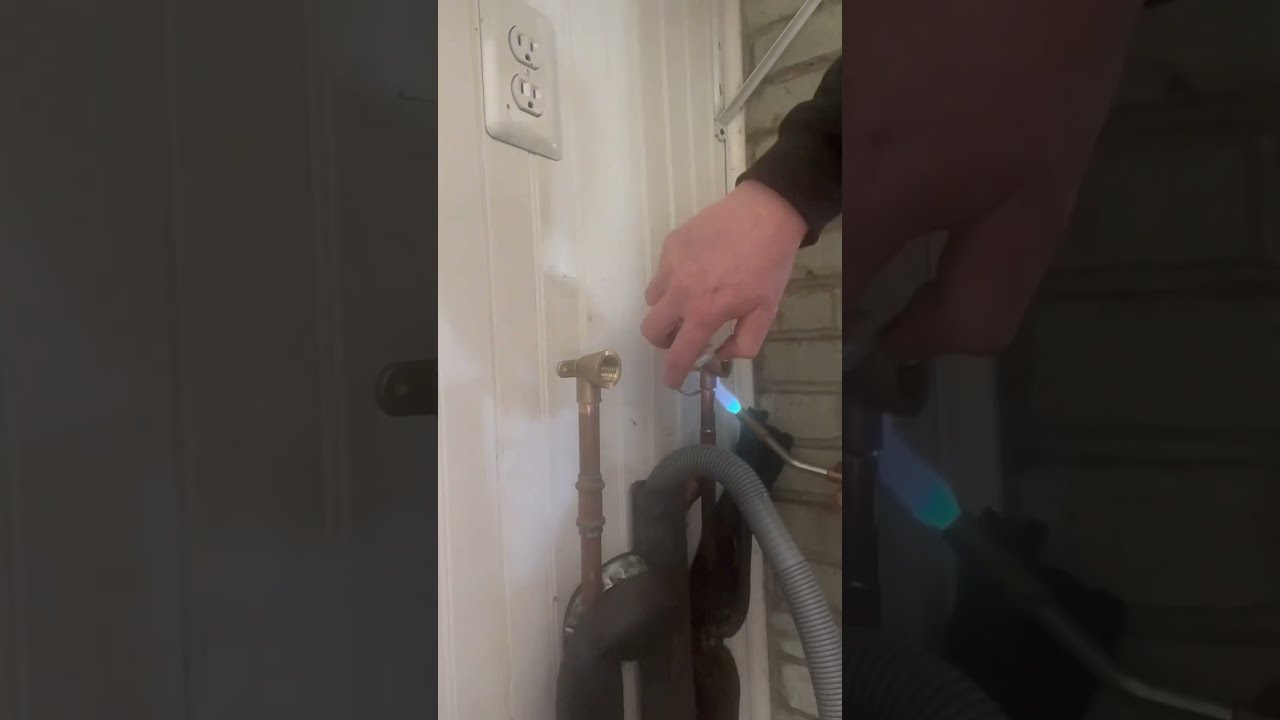
Bathroom faucets can be found in a wide variety of styles and styles. Certain parts are more prone to wear and tear than other. This could lead to leaks and other issues. Understanding faucet types and mechanisms can aid homeowners in the decision of whether to replace or repair a fixture. Additionally, knowing how to detect changes in pressure can help homeowners spot possible issues.
ToiletsFor a lot of homeowners, issues with their toilets are low on the list of chores to be done in the home. But toilets play an important role in the health of a house's plumbing system and must be maintained correctly to prevent water damage.
Toilets are available in many designs, including the standard hole-in-the ground toilet to dual-flush, water-saving, and even bidet designs. Learn how to choose the ideal toilet for your house. A plumber in Canberra could advise you to continue your toilet maintenance by cleaning both the exterior and interior surfaces, and looking for leaks. Leaks in toilets can be difficult to identify, so it's an excellent idea to conduct a food coloring test every month or so. If the dye makes its way to the bowl then it's time to change the seal for flush. Beware of harsh chemicals, as they could cause damage to the pipes and result in costly repairs. Clean your toilet with a reused sponge, disinfectant wipes or an reusable rag.